
Blog
Welcome to Our Blog
INDIA’S MERGER CONTROL 2.0: DEAL VALUE THRESHOLD, MATERIAL INFLUENCE AND THE NEW COMPLIANCE ERA
Author: Khushi Garg, 4th year, BBA.LLB, Christ (Deemed to be) University, Delhi NCR The landscape of Indian Mergers and Acquisitions (M&A) law has evolved rigorously in past few years. From ‘paradigm legislative shifts’ in 2024 to the ‘first full stress test’ in 2025 of the new rules…
Arbitration and Judicial Intervention: Limits & Necessity – Complete Legal Guide 2025
Author: Yuvraj Anand, Course – BBA-LL.B(H), College – Vivekananda Institute of Professional Studies (VIPS-TC), Roll No/Enrollment No – 17217703522 Understanding the delicate balance between arbitral autonomy and judicial oversight in India’s evolving legal landscape. Introduction Arbitration is a leading method for settling business disputes quickly and confidentially….
Can Crash-Based Racing Games Affect Mood and Thinking?
Post By: Neshta Why does this particular genre attract such a broad audience, and what psychological benefits may be connected with these games? Understanding these mechanisms opens new perspectives on how the virtual world influences our emotional and personal development. In this article,…
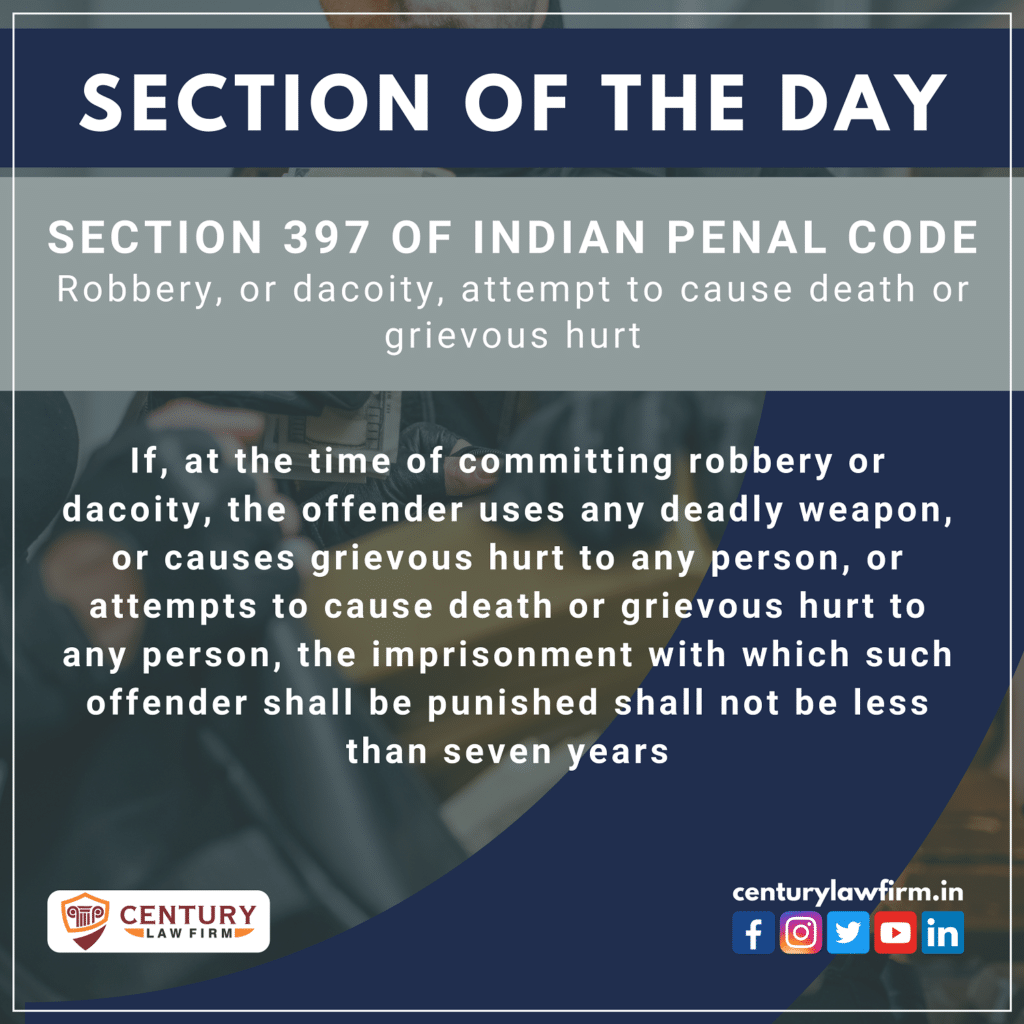
Section 397 IPC (Now Section 311 BNS): Robbery or Dacoity with a Deadly Weapon or Grievous Hurt – Punishment, Bail and धारा 397 in Hindi
Section 397 of the Indian Penal Code (IPC) fixed a minimum sentence for the most dangerous robberies and dacoities. Since 1 July 2024 the same rule is Section 311 of the Bharatiya Nyaya Sanhita, 2023 (BNS), with the same wording: if, at the…

Members Voluntary Liquidation: Expert Guide
Post By: Linkhouse Members’ voluntary liquidation is a practical way to close your solvent company in just 21 days if you’ve paid all your debts. The process works best for profitable companies that want to wind down their operations. Before proceeding, you’ll need…

SECTION 93 OF NEGOTIABLE INSTRUMENTS ACT, 1881 – By and to whom notice should be given | NI ACT
SECTION 93 OF NEGOTIABLE INSTRUMENTS ACT, 1881 : By and to whom notice should be given. When a promissory note, bill of exchange or cheque is dishonored by non-payment, the holder thereof, or some party thereto who remains liable thereon, must given notice…

Combating Mob Lynching: Analysing Legal Frameworks and Preventive Measures for a Safer Society
The act of lynching involves a group of people killing someone, often driven by religious bias or a desire for entertainment, while accusing them of a crime. In situations where one community’s beliefs clash with another’s, it can lead to an illegal act…

Nemo Tenetur Seipsum Accusare (Nemo tenetur accusare se ipsum nisi coram Deo) – Meaning, Article 20(3) and the Right against Self-Incrimination in India
Nemo tenetur seipsum accusare is Latin for “no one is bound to accuse himself”. The longer form in this post’s title, nemo tenetur accusare se ipsum nisi coram Deo, adds “except before God”: a person may confess to God, but the law cannot…