
Blog
Welcome to Our Blog
INDIA’S MERGER CONTROL 2.0: DEAL VALUE THRESHOLD, MATERIAL INFLUENCE AND THE NEW COMPLIANCE ERA
Author: Khushi Garg, 4th year, BBA.LLB, Christ (Deemed to be) University, Delhi NCR The landscape of Indian Mergers and Acquisitions (M&A) law has evolved rigorously in past few years. From ‘paradigm legislative shifts’ in 2024 to the ‘first full stress test’ in 2025 of the new rules…
Arbitration and Judicial Intervention: Limits & Necessity – Complete Legal Guide 2025
Author: Yuvraj Anand, Course – BBA-LL.B(H), College – Vivekananda Institute of Professional Studies (VIPS-TC), Roll No/Enrollment No – 17217703522 Understanding the delicate balance between arbitral autonomy and judicial oversight in India’s evolving legal landscape. Introduction Arbitration is a leading method for settling business disputes quickly and confidentially….

Section 149 of CrPC, 1973 – Section of the Day
Section 149 of CrPC, 1973 Police to prevent cognizable offences Every police officer may interpose for the purpose of preventing, and shall, to the best of his ability, prevent, the commission of any cognizable offence. Introduction: The Code of Criminal Procedure (CrPC), 1973,…

Actori incumbit probatio – Legal Maxim
Literal Meaning – On the plaintiff rests the proving. The burden of proof is on the plaintiff. “Actori incumbit probatio” is a Latin legal maxim that means “the burden of proof lies with the plaintiff.” This principle is an important aspect of the…

Section 22 of Limitation Act, 1963 – Continuing Breaches and Torts
How To Choose The Best Matrimonial Case Lawyer In Delhi For Your Case
No two matrimonial cases are alike, and therefore it is important to choose a lawyer who has experience in handling cases similar to yours. If you are based in Delhi, there are a number of experienced and reputable matrimonial case lawyers to choose…
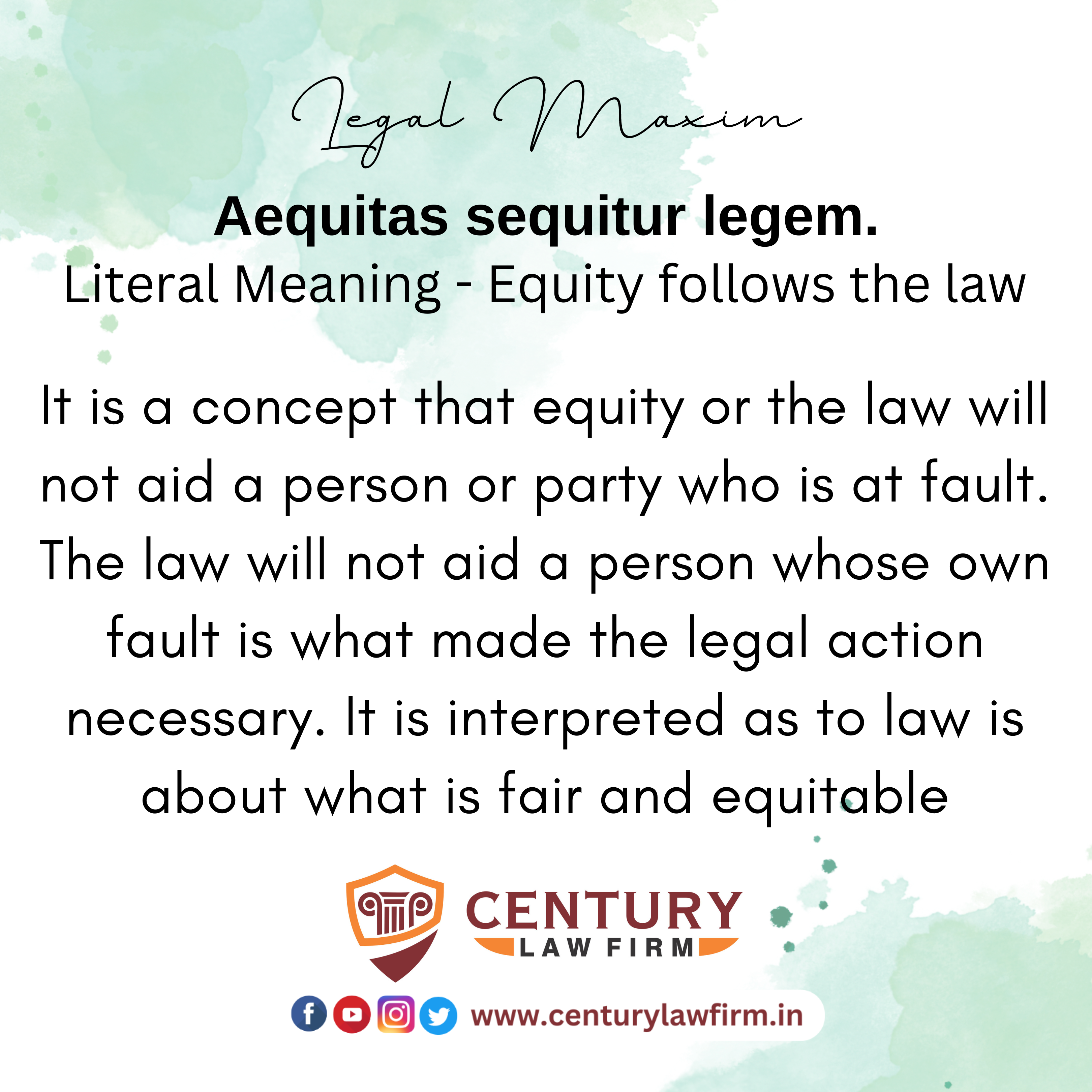
Aequitas sequitur legem – Legal Maxim
Literal Meaning – Equity follows the law. It is a concept that equity or the law will not aid a person or party who is at fault. The law will not aid a person whose own fault is what made the legal action necessary….
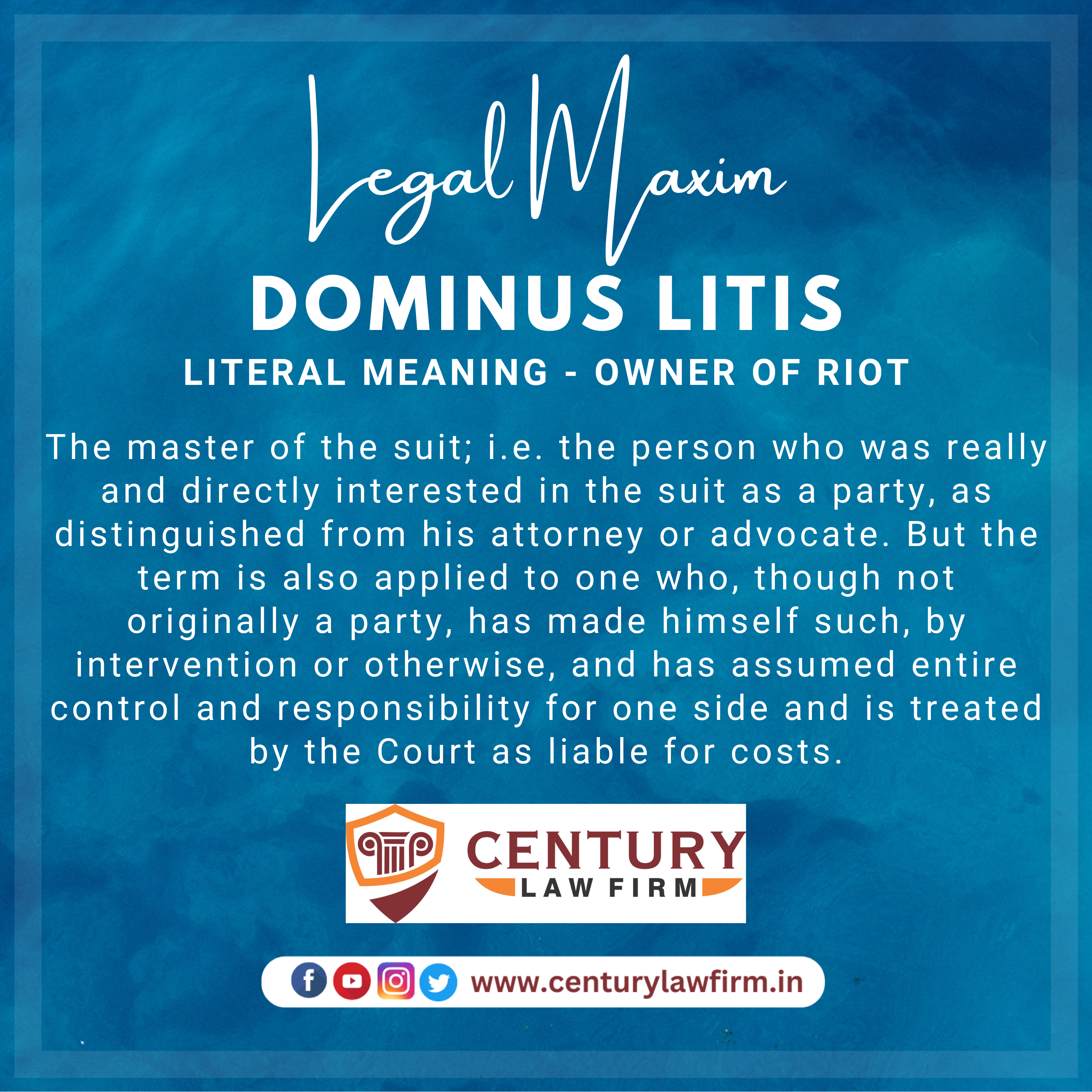
Dominus Litis – Legal Maxim
Literal Meaning – Owner of riot. The master of the suit; i.e. the person who was really and directly interested in the suit as a party, as distinguished from his attorney or advocate. But the term is also applied to one who, though…